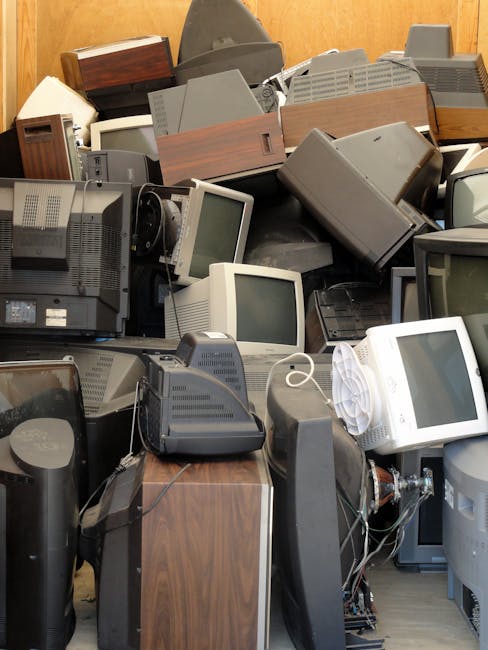
Pro techniques for dismantling bulky waste safely

If you have ever stood in front of a heavy wardrobe, a broken sofa, or a mattress that will not fit through the hallway, you will know the feeling. It looks simple at first, then suddenly it is awkward, dusty, and a bit more serious than you expected. That is exactly where Pro techniques for dismantling bulky waste safely matter. Done properly, dismantling bulky items makes collection easier, reduces injury risk, and helps you avoid damage to walls, lifts, doors, or your back. Truth be told, bulky waste is often less about strength and more about judgment.
This guide walks through the practical side of the job: how professionals plan it, what tools they use, how to break down items without creating hazards, and when to stop and call in help. If you are dealing with furniture, white goods, or mixed household junk, the aim is the same: keep things controlled, keep people safe, and keep the job moving.
One thing that catches people out? Bulky waste rarely behaves like a neat flat-pack box. Springs, screws, hidden fixings, glass, pressed wood, and old paint all turn a straightforward clearance into a mini risk assessment. Let's deal with it properly.
Why Pro techniques for dismantling bulky waste safely Matters
Bulky waste is not just "big rubbish". It is awkward rubbish. That difference matters more than people think. A heavy dining table can swing unexpectedly. A wardrobe panel can splinter. A fridge door can trap fingers. Even something as ordinary as an old mattress can shift weight in a van and turn a routine lift into a wobbly, unhappy moment.
Safe dismantling protects people first. That means the person doing the lifting, anyone helping, and anyone walking past in a hallway, stairwell, driveway, or loading bay. It also protects the property. In our experience, the most avoidable damage usually happens during the first few minutes: scratched floors, chipped paint, bent banisters, and smashed skirting boards. Not glamorous, but very real.
There is also a waste-management angle. If an item can be broken down into manageable parts, it is easier to sort for reuse, recycling, or responsible disposal. That can reduce the number of awkward trips, improve loading efficiency, and make the whole clearance feel less chaotic. And honestly, a tidy dismantle is just less stressful. No one wants to wrestle a sofa base down three flights of stairs at 7:30 in the morning.
For many homes and businesses, safe dismantling is the difference between a smooth clearance and a day of avoidable hassle. It is not about being fussy. It is about being sensible.
How Pro techniques for dismantling bulky waste safely Works
Professional dismantling follows a simple logic: assess, isolate, separate, and remove. The order matters. If you start pulling at screws before checking what is inside the item, or where the weight sits, you can create a hazard very quickly.
1. Assess the item before touching it
Start with a slow visual check. What material is it made from? Is it wood, chipboard, metal, glass, fabric, or a combination? Does it have electrical parts, gas fittings, batteries, or sharp edges? Are there signs of rot, mould, corrosion, or infestation? Those details change the approach. A swollen chipboard cabinet behaves differently from a solid oak dresser, and a fridge is a different beast again.
2. Decide whether dismantling is necessary
Sometimes the item can be removed intact. Other times, dismantling is the safer option because it reduces weight, improves handling, or avoids blocking a narrow route. Professionals do not dismantle automatically. They choose the least risky method that still gets the item out.
3. Remove hazards first
Think loose glass shelves, detachable drawers, batteries, fuel residues, plugs, cables, and sharp protruding hardware. If the item includes anything that could fall out, leak, or snag, those parts are handled early. This is especially important with office furniture, white goods, and older items that have been repaired in a slightly improvised way over the years. We have all seen that one drawer held together by hope and a single screw.
4. Break the item into controlled sections
Pro techniques use the item's structure, not brute force. That means removing doors before side panels, cutting bands or fixings in a planned sequence, and keeping the load balanced while you work. You will notice the difference immediately: instead of a big unstable object, you create smaller pieces that are easier to carry, sort, and stack.
5. Load and move in a planned order
Once dismantled, parts should be stacked with stability in mind. Heavy parts go low. Sharp or fragile parts are wrapped or isolated. Anything that can slide around gets secured. A good clearance feels almost calm because the risk has already been removed before the van door closes.
In short: the best dismantling is deliberate, not dramatic. The fewer surprises, the safer the job.
Key Benefits and Practical Advantages
Safe dismantling gives you more than just a cleaner exit route. It makes the whole job more efficient and, to be fair, less miserable.
- Reduced injury risk: Smaller pieces are easier to handle, so there is less strain on backs, shoulders, and hands.
- Better access: Breaking bulky items down helps with narrow staircases, tight hallways, and awkward garden paths.
- Less property damage: Controlled removal lowers the chance of gouged walls, scraped flooring, and broken fixtures.
- Improved sorting: Wood, metal, fabric, and plastics can often be separated more easily once the item is dismantled.
- Faster clearance overall: A well-planned dismantle usually saves time later because loading and transport become simpler.
- Cleaner working area: It is easier to keep dust, debris, and loose fixings under control when the item is broken down methodically.
There is also a quieter benefit that people do not always mention: confidence. Once you know the item can be taken apart safely, the whole job feels less intimidating. That matters if you are dealing with a large house clearance, a shop refit, or a business office that needs to be emptied without drama.
Who This Is For and When It Makes Sense
This approach is useful for homeowners, landlords, tenants, letting agents, office managers, tradespeople, and anyone handling a mixed bulky load. It is especially relevant where items are too large for standard bins and need more than a simple lift-and-go.
It makes sense when:
- the item will not fit through the route in one piece;
- the weight is awkward or uneven;
- there are hidden fixings or fragile sections;
- the item contains electrical or mechanical parts;
- you need to protect the building from damage;
- you want to separate recyclable materials where possible.
It may also make sense for one-off situations like a garage clearance, loft clearance, or end-of-tenancy cleanout where space is cramped and the clutter has built up over time. If you are doing a whole property move, the same principles often apply inside house clearance and flat clearance jobs too, especially in older London properties with narrow staircases and tight corners.
For businesses, the method becomes even more useful because downtime matters. A shop, office, or workspace cannot afford a sloppy clearance that blocks access for half the day. In those settings, a controlled approach is not a luxury. It is just common sense.
Step-by-Step Guidance
If you are trying to dismantle bulky waste safely, the following process is the one to follow. It is practical, repeatable, and far less chaotic than making it up as you go along.
Step 1: Clear the area
Move shoes, bins, rugs, pets, kids, and anything else likely to get in the way. Create a clear working zone with enough space to set down tools and parts. Good light helps too. If you are in a dim hallway or a cluttered garage, grab a lamp or work in daylight. Sounds obvious, but you would be surprised how often poor visibility causes small accidents.
Step 2: Check for hazards
Look for glass, sharp staples, protruding nails, cables, batteries, leaks, mould, or signs of contamination. If an item smells musty, has damp staining, or feels unstable, handle it with more caution. Older furniture can hide surprises under fabric and backing boards, and fridges or freezers may need extra care because of residual moisture and heavy doors.
Step 3: Gather the right tools
Do not start without the basics. A screwdriver, adjustable spanner, utility knife, pry bar, hammer, pliers, heavy-duty gloves, and protective eyewear will cover many common jobs. If the item is very large, a second person is often the most useful "tool" you have. A bit of teamwork saves a lot of swearing. Fair enough.
Step 4: Remove detachable parts first
Take out drawers, shelves, cushions, doors, feet, and loose accessories. These parts make the item lighter and less likely to swing unpredictably. Keep fixings in a pot, bag, or tray if you may need them later. Small screws are forever disappearing at the worst moment.
Step 5: Stabilise the item
Before removing structural pieces, make sure the item will not twist, tip, or collapse. Hold it flat on the floor or brace it against a secure surface. If possible, lay it on its back or side in a position that reduces strain. The point is to control the movement, not chase it.
Step 6: Work from the outside in
Professional dismantling usually starts with external parts, then larger panels, then internal framework. That sequence keeps the item stable for as long as possible. For furniture, this often means doors, then shelves, then side panels, then base components. For some appliances, the process is more about isolating cables, hoses, and removable fixtures before the main body is moved.
Step 7: Separate materials where practical
Wood, metal, and recyclable components should be kept apart if local collection arrangements allow it. Even if you are not sorting everything perfectly, a basic separation makes disposal cleaner and more efficient. It also helps when you are dealing with bulk waste collection or bulky waste collection bookings, because a sorted load is much easier to manage.
Step 8: Move parts carefully
Carry smaller pieces close to the body and keep your path clear. Watch for corners, doorframes, and uneven surfaces. If a section is too awkward, stop and rethink the route. A five-second pause is cheaper than a damaged wall or a pulled muscle.
Step 9: Clean as you go
Sweep up screws, splinters, and dust before they spread through the property. This is especially useful for older furniture and garage storage items that have picked up grime over the years. It makes the next step safer and leaves the site in better shape.
Step 10: Load in a controlled order
Heavier items should sit low and stable. Fragile pieces should be wrapped or separated. Long panels and sharp sections should be secured so they cannot slide during transport. If you are using a van or skip-like load area, stack with purpose, not optimism.
Expert Tips for Better Results
Experienced clearance teams tend to do a few things differently. None of them are flashy. That is the point.
- Use the item's seams. Factory joints, screws, and panel lines tell you where the structure can be opened safely.
- Mind the weight shift. A wardrobe may seem stable until you remove one panel and the balance changes instantly.
- Work in pairs for large items. Two people can control twists, tipping, and awkward lifts far better than one.
- Keep a "safe side" and a "working side". One person should manage the route while the other works the tools.
- Protect floors and thresholds. Blankets, boards, or mats can reduce scratches when moving dismantled parts.
- Do not rush hidden fixings. If a panel does not move, assume something is still holding it. Forcing it is rarely clever.
- Plan the exit before the first screw comes out. Sounds basic, but it avoids the classic mistake of dismantling a sofa only to discover the largest arm is now trapped behind the door.
Another useful habit is to pause and look at the item from different angles. Seriously. One side may reveal a bracket, support rail, or cable that was not obvious at first glance. That tiny pause can save a lot of grief.
Common Mistakes to Avoid
Most problems come from a small number of predictable errors. Once you know them, they are much easier to avoid.
- Using force too early: If something feels stuck, it usually is. Forcing it can crack the structure or send it swinging.
- Ignoring hidden hazards: Old batteries, glass, springs, staples, or damp materials can create unnecessary risk.
- Not clearing a route: A tidy start saves a messy finish. A cluttered path is asking for trouble.
- Trying to lift too much at once: "Just one more bit" is how people hurt themselves. There, said it plainly.
- Skipping gloves or eye protection: A tiny splinter or flying chip of wood is enough to ruin your day.
- Failing to secure loose parts: Drawers, doors, and panels can shift when moved and catch fingers or toes.
- Mixing sharp waste with soft waste: This creates problems later during loading and disposal.
- Assuming all bulky waste is the same: A mattress, a bed frame, a fridge, and an office desk each need a different approach.
The biggest mistake, though, is underestimating how ordinary-looking bulky waste can still be awkward or hazardous. A chipped bedside cabinet with one loose hinge can be more troublesome than a much larger item that is structurally simple.
Tools, Resources and Recommendations
You do not need a workshop full of specialist gear to dismantle bulky waste safely, but the right basic kit makes a big difference. Here is a practical comparison of common methods and the sort of situations they suit.
| Method | Best for | Advantages | Limitations |
|---|---|---|---|
| Manual dismantling with hand tools | Furniture, small fixtures, many household bulky items | Controlled, precise, low-cost, good for tight spaces | Slower on larger items, needs patience and basic skill |
| Two-person carry and dismantle | Large wardrobes, sofas, wardrobes with awkward balance | Safer for heavy or unstable items, better route control | Requires coordination and enough space to work |
| Pre-sort and strip-down approach | Office items, mixed loads, items with recyclable components | Improves material separation and loading efficiency | Needs more time up front |
| Professional clearance service | Very heavy, bulky, contaminated, or time-sensitive jobs | Experienced handling, proper equipment, quicker turnaround | May cost more than doing it yourself |
For homeowners, a decent toolkit usually includes:
- work gloves with grip;
- safety glasses;
- screwdrivers and Allen keys;
- adjustable spanner or socket set;
- utility knife with a fresh blade;
- pliers and cutters;
- pry bar;
- heavy-duty bin bags or tubs for fixings;
- dust sheets or old blankets;
- tape for securing loose edges.
For larger jobs, it is often smarter to use a waste removal or rubbish removal service rather than turning the whole thing into a weekend project. That is especially true if you are clearing multiple bulky items, not just one awkward piece. If you are dealing with damaged white goods, the fridge disposal and white goods recycle routes are worth considering because appliances often need separate handling.
If your bulky waste includes sofas, beds, or mattresses, look at item-specific options such as sofa removal, bed disposal, and mattress disposal. That tends to make planning easier and reduces guesswork.
Law, Compliance, Standards, or Best Practice
For bulky waste, compliance usually comes down to duty of care, safe handling, and using a legitimate disposal route. In the UK, you should be cautious about who collects your waste, where it goes, and whether it is handled responsibly. If a service is being used, it is reasonable to expect them to have proper procedures for safety, transport, and disposal.
Best practice includes:
- keeping people safe during lifting and dismantling;
- separating hazardous or special items from general bulky waste;
- using appropriate PPE where needed;
- avoiding unsafe manual handling;
- preventing waste from being fly-tipped or dumped irresponsibly;
- checking service terms, insurance, and process details before collection.
For a public-facing operator, a clear health and safety policy, sensible insurance and safety standards, and transparent pricing and quotes information are reassuring signs. Those pages do not replace your own judgment, of course, but they help you assess whether a provider seems organised and credible.
If you are handling waste around a business site, office, or rented property, it is also wise to keep an eye on building rules, access limitations, and any local collection constraints. A quick check before moving anything can save a lot of backtracking later. Not exciting, but very useful.
Options, Methods, or Comparison Table
Choosing the right approach depends on the item, the space, and the level of risk. Here is a straightforward comparison.
| Approach | When it works best | What it feels like in practice | Good choice? |
|---|---|---|---|
| Leave intact and lift out | Small bulky items, open access, light weight | Quick if the route is clear; can become awkward fast | Yes, if there is enough space |
| Partial dismantling | Most household furniture and mixed bulky items | Removes the awkward bits while keeping the structure stable | Often the best balance |
| Full strip-down | Large wardrobes, office furniture, complex items | More time upfront, but easier loading and safer handling | Yes for tight access or large volumes |
| Professional collection | Heavy, multiple, or hard-to-access items | Less stress, less lifting, less chance of damage | Best when time or safety matters most |
For many readers, the real decision is not whether dismantling is possible. It is whether it is worth the effort compared with booking a proper collection. If you are facing a garage full of mixed items or several rooms of furniture, a service like furniture clearance or home clearance may be more practical than trying to do every single piece by hand.
Case Study or Real-World Example
A very typical scenario: a top-floor flat in London, narrow stairwell, one large wardrobe, a bed frame, and a mattress. Nothing outrageous. But enough to cause trouble if you rush it.
The first step is to measure the route, check the staircase bends, and decide what can be removed intact. In many cases, the wardrobe doors and shelves come off first, followed by side panels. The bed frame is stripped into sections, with fixings kept together so nothing disappears into the hallway. The mattress is handled separately because it is awkward, springy, and prone to snagging on corners.
What usually changes the outcome is not strength. It is sequencing. Once the route is clear and the item is reduced to manageable pieces, the whole job becomes calmer. The lift is easier. The walls stay clean. The van load stays tidy. And the people involved are less tired, which matters more than it sounds. By late afternoon, a careful dismantle can feel like the difference between chaos and a job well done.
If that sounds familiar, you are not alone. Most bulky waste jobs are not dramatic. They are just fiddly. The professionals who do this well are usually the ones who slow down at the start so they can speed up at the end.
Practical Checklist
Before you start dismantling bulky waste, work through this checklist. It keeps the job grounded.
- Have I checked what the item is made from?
- Have I looked for hidden hazards, sharp edges, or loose parts?
- Is the route clear from the item to the exit?
- Do I have the right tools and PPE?
- Do I need one more person to help?
- Can I remove detachable parts first?
- Do I know which direction the item will move once loosened?
- Have I set aside bags or containers for screws and fixings?
- Will any part of the item need special handling, such as electrical components or glass?
- Have I planned how the dismantled parts will be loaded and separated?
- Do I know when to stop and get professional help?
Expert summary: If the item is stable, accessible, and made of simple materials, a careful DIY dismantle may be perfectly manageable. If it is heavy, contaminated, electrical, or trapped in a tight space, professional help is usually the smarter call.
For anyone in London dealing with a bigger clear-out, it can help to think beyond the one item in front of you. A single sofa, yes. But also the spare mattress, the broken cabinet in the loft, the pile in the shed. That is where waste clearance and rubbish clearance services often save time and reduce risk.
Conclusion
Safe dismantling of bulky waste is really about control. Control the route. Control the weight. Control the sequence. Control the mess before it becomes one. Once you understand the structure of the item and work methodically, bulky waste stops feeling so overwhelming. A wardrobe becomes a set of panels. A sofa becomes frames, fabric, and fixings. A fridge becomes a job that needs care, not panic.
The best results usually come from a calm start and a sensible finish. That means checking the item, using the right tools, protecting the space, and knowing when a job is too awkward to make sense on your own. In the real world, that judgement is worth more than speed. Honestly, it usually is.
If you are comparing clearance options or planning a one-off removal, take the time to choose the method that keeps people safe and the property intact. You will feel the difference by the end of the day.
Get a free quote today and see how much you can save.
Frequently Asked Questions
What is the safest way to dismantle bulky waste?
The safest approach is to assess the item first, remove loose parts, stabilise it, and dismantle it in a controlled sequence with the right tools and protective gear.
Do I need special tools to break down bulky waste?
Not always. Many jobs only need basic hand tools such as screwdrivers, pliers, a utility knife, and a pry bar. Larger or more awkward items may need more support or a professional team.
Can I dismantle a sofa or bed myself?
Often yes, if the item is straightforward and you have enough space. Remove cushions, legs, slats, or detachable panels first. If it is heavy, damaged, or awkward to carry, professional help is usually better.
What should I do with screws, brackets, and fixings?
Keep them in a small container or bag so they do not get lost or step-on hazards later. It also helps if you need to reassemble part of the item or sort materials for disposal.
Are bulky waste and general rubbish handled the same way?
No. Bulky waste usually needs special handling because of its size, weight, or structure. General rubbish is typically lighter and easier to bag or bin.
How do I know if an item is too dangerous to dismantle myself?
If the item has electrical components, gas-related parts, contamination, sharp damage, heavy glass, or unstable construction, it is wise to stop and get professional advice or collection.
Is it better to dismantle furniture before collection?
Usually yes, if the item is too large for the route or difficult to handle intact. Dismantling can make loading quicker and reduce the chance of damage during removal.
Can dismantling help with recycling?
Yes. Breaking items down can make it easier to separate wood, metal, fabric, and other recyclable materials where the collection route allows it.
What are the most common injuries during bulky waste removal?
Strains, cuts, trapped fingers, and trips are the most common risks. Good planning, gloves, eye protection, and proper lifting technique reduce those risks a lot.
Should I use a professional service for a large amount of bulky waste?
If you have multiple items, limited access, or anything very heavy, a professional service is often the safer and more efficient option. It can save time and a fair bit of stress too.
How long does it take to dismantle bulky waste safely?
It depends on the item and access. A simple item may take only a few minutes, while a wardrobe, office desk, or appliance can take much longer if you need to work carefully.
What if bulky waste is too big for my stairwell or doorway?
Do not force it. Measure the route, remove more parts if possible, and if it still does not fit, use a different removal method or book a collection that can handle the item safely.