Waste Removal in London

Mega Rubbish provides waste removal in London for homes, flats, landlords and businesses that need rubbish taken away in a tidy, organised way. The service covers a broad mix of everyday and bulky items, from furniture and appliances to mixed household waste and trade-related clearances. If you need space cleared without managing the heavy lifting yourself, our approach is built around straightforward collection, careful loading and sensible disposal.
We can help with one-off clearances as well as smaller removals that still need a proper vehicle, sorting and disposal route. That includes bulky household items, leftover contents after a move or refit, and general rubbish that has built up over time. Waste removal should be practical and predictable, so we keep the process focused on what is being taken, how much there is, and the access needed to collect it safely.
For a clearer idea of the service and the options available, you can request a quotation once you know the kind of items involved. If you are comparing collection choices, it also helps to review the service pages linked below so you can match the right collection type to the waste you want gone.
Household rubbish and mixed collections
Household rubbish removal is often about dealing with a combination of materials rather than a single item type. Bags, boxed clutter, old storage contents, broken smaller items and awkward pieces can all be loaded together when they are suitable for the same collection. This is useful when you want one visit to cover several rooms, a garage or accumulated general waste without arranging separate removals.
If you want to understand how different collection types fit together, our rubbish removal and waste collection pages outline the core service areas in more detail. Those pages are useful when you are deciding whether your load is best described as general rubbish, mixed waste or a more specific item collection.
Clearance work is usually easier when the waste has been grouped by type and left somewhere accessible, but the key point is not perfection; it is that the team can identify what needs collecting and estimate the labour involved. If your waste includes mixed materials, it may still be suitable for removal as long as the items are lawful to handle and can be separated for the right disposal route.
Bulky items, furniture and white goods

Bulky waste often needs more than standard bin-day handling. Sofas, wardrobes, beds, mattresses, fridges and similar pieces are heavy, awkward to move and may require dismantling or careful manoeuvring through tight spaces. A planned collection reduces strain on the property and helps ensure items are taken out without unnecessary disturbance to walls, doors or communal areas.
Where the items are mainly furniture, the relevant pages include furniture clearance, sofa removal, bed disposal, mattress collection and white goods recycle. These destinations are useful if you already know the item category and want a more focused collection route rather than a general rubbish uplift.
Our work in this area is about practical removal rather than disposal guesswork. Some items may be suitable for recycling routes, while others are simply handled as waste that needs the right downstream treatment. Where access is narrow or the items are especially heavy, it helps to think ahead about whether any parts can be separated, but the collection still needs to be judged on site details rather than assumptions.
Clearances for homes, lofts and garages
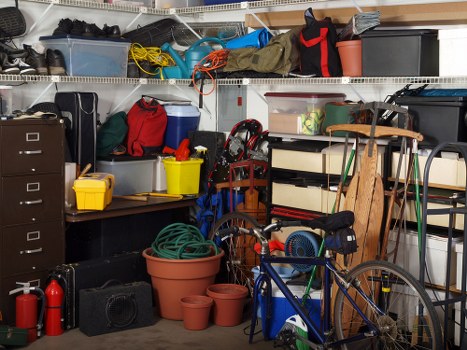
Many customers need a wider clearance rather than a single-item pickup. Lofts, garages, spare rooms and understair storage can collect a surprising amount of old furniture, broken appliances, bags, archived paperwork and miscellaneous clutter. These jobs often call for methodical sorting at the point of collection so the right materials can be loaded efficiently and anything unsuitable can be identified before work begins.
For fuller property clearances, home clearance, house clearance, loft clearance and garage clearance are the most relevant pages. They help distinguish between smaller rubbish removal jobs and larger clearances where contents from several areas are removed together.
Property clearances are often easiest when the customer has already decided what should stay and what should go, especially in lofts or garages where stored items may be mixed with rubbish. That said, the collection is still shaped by access, load size and the condition of the contents. Methodical sorting keeps the job organised and makes it easier to remove only what is meant to leave the property.
Builders waste and trade site clearances
Builders waste removal is intended for the sort of material that builds up during refurbishment, alteration or light construction work. Offcuts, packaging, broken fixtures, rubble-adjacent waste, flooring remnants and mixed site debris need to be managed carefully because they can be heavy, dusty or awkward to handle. A proper collection keeps the site clear enough for the next stage of work and helps prevent waste from lingering after the job is finished.
When the waste comes from a project rather than a household, the most relevant pages are builders waste clearance and waste clearance. If you are organising repeated loads or a broader site tidy-up, those pages are a sensible starting point for understanding what can be taken and how the work is usually structured.
Trade and renovation waste is rarely one neat category, so the collection needs to be judged on the actual contents. Some materials may be more suitable for recycling than others, and some loads may need a little separation before loading. The aim is not to overcomplicate the job, but to make sure the right waste moves through the right route without creating avoidable delays on site.
Domestic clearances for flats, offices and business premises
Clearance needs are not limited to houses. Flats, shared buildings, offices and small commercial premises all produce waste that can become difficult to manage if storage space is limited or if items need to be removed outside ordinary refuse arrangements. Office furniture, filing materials, mixed equipment and general contents often need a collection that works around building access and the kind of materials being handled.
For these settings, flat clearance, office clearance and business waste removal are useful service pages to review. They show how collections can be matched to property type, whether the job is a domestic flat, a workplace or a mixed-use premises with different waste streams.
In practice, the most efficient collections are those where access, lift use, parking or loading points are considered in advance. That does not mean every detail must be perfected before you enquire, but it does mean a clear description of the contents and the setting helps keep the removal orderly. Commercial waste is best handled with enough context to avoid unnecessary handling on the day.
Collection types, recycling and disposal routes
Different loads call for different collection approaches. Some waste is best grouped by item type, such as mattresses, furniture or white goods, while other waste is better handled as a mixed bulk collection. The service pages for large item collection, bulk waste collection and bulky waste collection can help you decide which label fits your job most accurately.
Disposal and recycling matter because not everything follows the same route after removal. Our pages on waste disposal, waste removal and recycling and sustainability provide a clearer picture of how a collection relates to the next stage. If you are disposing of a specific item, such as a fridge or sofa, that item page can be more useful than a general waste description.
- Choose an item-specific page if the load is mainly one type of object.
- Use a broader collection page if the waste is mixed but manageable in one visit.
- Check disposal or recycling information if you want to understand the likely downstream route.
- Use the quotation page when the size, access or item mix is not straightforward.
Pricing factors and how quotations are prepared

Quotation preparation is usually shaped by the size of the load, the type of material, where it sits in the property and how easy it is to move. A few lightweight bags are very different from a set of heavy furniture items or a clearance that involves stairs, narrow access or multiple rooms. That is why a sensible estimate relies on enough detail to reflect the actual job rather than a rough guess.
If you are comparing costs, the most relevant page is pricing and quotes. It is the natural place to start when you want to understand how the service is priced and what information helps produce a useful quotation. For many customers, the simplest approach is to describe the items, the approximate quantity and any access constraints, then ask for a quote based on those facts.
Two brief points make the process easier: first, list the main items or waste types you want removed; second, mention anything that affects loading, such as upper floors, tight hallways or limited parking. Those details do not need to be written as a full survey. They simply help the estimate reflect the job in a more practical way, which is better for everyone involved.
Specialist item pages for common household waste
Some collections are best handled through specialist pages because the item itself is the main part of the job. Sofa removal, furniture disposal, mattress disposal and fridge disposal are good examples: each has its own handling concerns, from size and weight to the way it needs to be lifted, loaded or prepared for transfer. That specificity can make it easier to match the right service to the right waste.
The most useful destinations here are sofa collection, furniture disposal, mattress disposal and fridge disposal. If you are clearing more than one bulky item, these pages still help because they show the item categories that can be grouped into a larger removal. When the waste is mostly old household contents, they also help you separate the clearly bulky pieces from ordinary rubbish.
Specialist item collection is often the right choice when the object is awkward but identifiable. A sofa, a mattress or a fridge does not need the same description as a mixed general clearance. Keeping that distinction clear makes the process more straightforward and helps avoid over- or under-specifying the job.
About London
London is a large and layered city shaped by centuries of change, from its Roman foundations at Londinium to its present role as the capital of the United Kingdom. It stretches along the River Thames and contains a wide variety of districts, each with its own streetscape, history and pace of life. The city’s character is built from contrasts: historic squares sit close to modern towers, small local high streets run alongside major commercial centres, and green spaces appear in among dense residential and business areas. The river remains a central feature, linking areas such as Westminster, the South Bank, the City and Docklands while also providing a natural reference point for movement through the city. London’s transport network is part of its everyday identity, with Underground lines, buses, rail routes and river crossings connecting neighbourhoods that developed at very different times. The built environment includes Georgian terraces, Victorian terraces, post-war estates, converted warehouses and contemporary developments, so the city rarely feels uniform for long. Parks such as Hyde Park, Regent’s Park and Hampstead Heath give residents and visitors large open spaces within the urban fabric, while cultural landmarks including the British Museum, the Southbank Centre, the National Gallery and the Tower of London reflect the city’s long-standing importance in art, history and civic life. Borough boundaries, village-like neighbourhood names and major commercial districts often overlap in everyday speech, which adds another layer of local identity. London is therefore less a single place than a network of places, joined by common institutions but still recognisably distinct in architecture, streets and atmosphere.
Planning a collection that suits your property
When you are arranging waste removal, the most useful preparation is to be clear about what is included and what is not. That can mean separating keep items from clear-out items, moving accessible waste into one area or simply noting whether the collection will involve stairs, basements, loft access or shared entrances. None of that needs to be elaborate; it just gives the work a practical shape before the team arrives.
If you want a fuller view of service standards and related policies, the site also includes insurance and safety, health and safety policy, payment and security and complaints procedure. These pages are useful because they support the collection service with information about how the business handles practical and customer-facing matters.
For a straightforward enquiry, the best next step is simple: identify the main items, note the collection location and decide whether you need a broader clearance or a specific item removal. If you are ready to move on, contact us for a quotation.
Further collection options and useful service routes

Some jobs sit between a single-item pickup and a full property clearance. In those cases, it can help to look at the service routes that sit around the core waste removal offer. Pages such as furniture collection, large item collection, council large item collection and council rubbish collection can be useful reference points when you are deciding which collection route makes the most sense for your circumstances.
Likewise, if the waste is spread across different parts of a property or if you are handling a general clean-down after building work or a move, pages like home clearance, waste clearance and rubbish clearance may be more relevant than a single item page. The aim is to match the service description to the job as closely as possible so the quotation reflects the real work.
Whether the collection is domestic, commercial or somewhere in between, the service should feel orderly from the first enquiry to the final load. Clear item descriptions, a sensible collection route and a quotation based on the actual waste all contribute to that. If your next step is a practical one, you can request a quote and choose the page that best fits the items you need removed.